Recovering from a stroke requires a dedicated, step-by-step approach to regain your independence. At Pine Mountain Chinese Acupuncture & Herb Clinic in Austin, Texas, we know how challenging this journey can be.
Many patients look for supportive therapies to help them rebuild their lives. Dr. Ziyang Zhou, L.Ac. provides personalized stroke rehabilitation support to help you manage secondary symptoms. Though standard medical therapies are the foundation of your recovery, complementary options can play a helpful, supportive role. Let's look at what the science says about these therapies and how we safely use them.
What is the medical consensus on acupuncture for stroke recovery?
Standard stroke recovery in the US focuses on intensive physical, occupational, and speech therapies. Major medical guidelines do not view acupuncture as a primary way to rebuild damaged brain pathways. For example, the American Heart Association completely omits acupuncture and cupping from its evidence-supported treatment pathways. Additionally, the US Department of Veterans Affairs states there is insufficient evidence to recommend for or against acupuncture to improve motor function or manage spasticity.
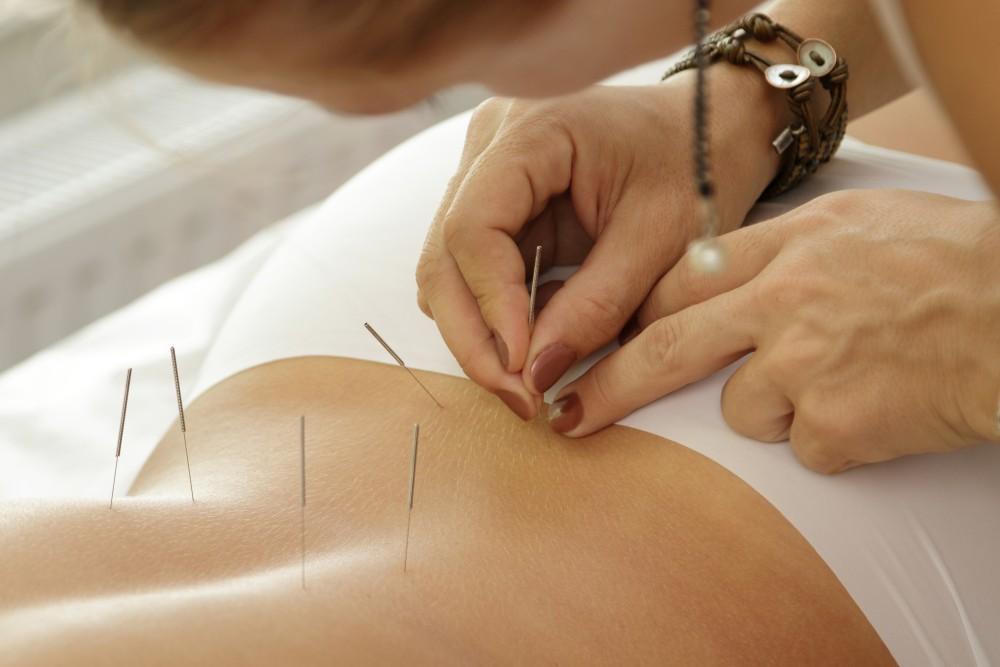
However, many patients still choose to use these therapies to help manage localized muscle tension and discomfort. We view acupuncture as a supportive tool to use alongside your standard medical care. It does not replace your primary rehabilitation program, but it can help you stay more comfortable during the process.
Can cupping therapy help with post-stroke muscle stiffness?
Muscle stiffness and spasticity in the arms are common challenges after a stroke. Some patients receive cupping therapy to address localized tightness. In a 2022 systematic review of 583 stroke patients with upper-limb stiffness, combining wet cupping with rehabilitation led to a modest reduction in arm stiffness. This was measured as a small decrease of 0.60 points on a standard muscle stiffness scale.
Although this local muscle treatment can offer temporary physical relief, it does not heal the brain pathways damaged by the stroke. At our Austin, Texas clinic, we use cupping to target tight muscle attachments and improve local blood supply. This can make your daily physical therapy exercises feel more comfortable.
How do we safely provide acupuncture for stroke survivors?
Safety is our highest priority, especially for stroke survivors who often take blood thinners to prevent future strokes. In a 2026 systematic review of over 13 million sessions in the Indian Journal of Integrative Medicine, acupuncture carried a modest risk of minor bleeding in patients taking anticoagulants. Because blood thinners delay clotting, any skin puncture requires extra care.
At our clinic, Dr. Zhou carefully reviews your medical history and current medications before any treatment. If you take blood thinners, we use shallower, gentler needling techniques to prevent deep bruising or internal bleeding. We also coordinate with your primary neurologist to ensure all treatments are fully aligned.
If you or a loved one is navigating stroke recovery, we are here to support your journey. We invite you to schedule a visit with our team in Austin, Texas, to discuss how we can safely integrate supportive acupuncture into your rehabilitation plan.